
Grading Information
The JKA Kyu and Dan Rank Certification System
JKA Website
Please refer to this page for the official grading syllabus:
https://www.jka.or.jp/en/about-jka/dan-ranking/Overview
Grading can form a key part of your karate journey. The grading system provides a structured pathway for development, recognising progress in technical ability, understanding, attitude, and commitment.
At Brothock Shotokan Karate Club, gradings are conducted in line with Japan Karate Association (JKA) standards. Each grade represents a meaningful step forward — not just in technique, but in character.
Our Approach to Gradings
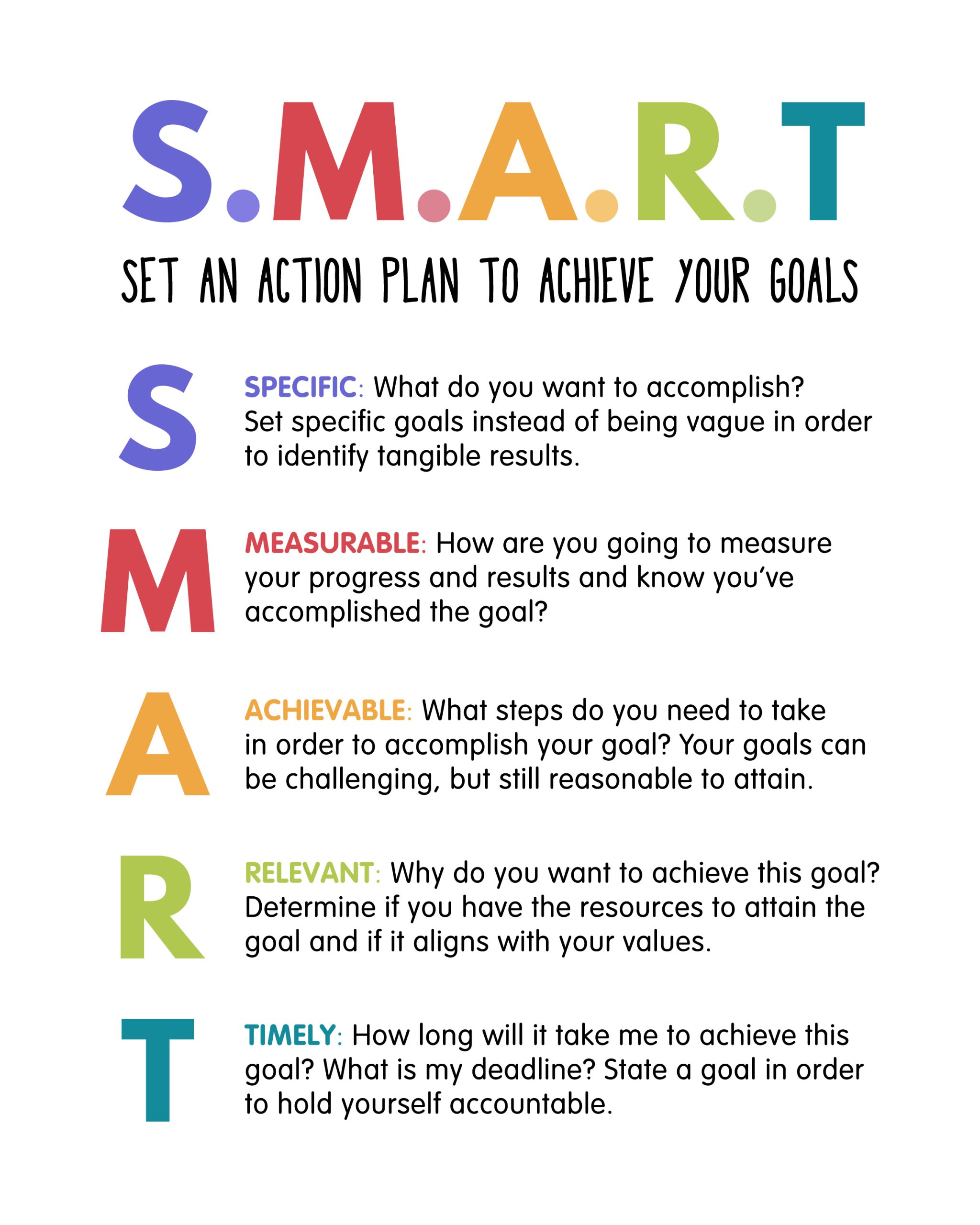
We use gradings to help students set clear, achievable targets and measure their progress over time. This approach aligns closely with SMART goal setting — giving students structure, direction, and a sense of achievement as they move forward in their training.
For younger students in particular, this process goes beyond karate. Learning to set goals, work consistently towards them, and reflect on progress are important life skills that we hope translate into areas such as school, study habits, and personal development.
For adults, gradings can provide an additional motivational focus, helping to maintain consistency in training and offering clear milestones within what is often a busy lifestyle.
For families training together, the grading process becomes a shared journey — creating a sense of support, encouragement, and genuine bonding as they work towards goals side by side.
To support this, we hold quarterly goal-setting classes, allowing students to review their progress and set targets for the next phase of training. This typically provides a three-month preparation window where students can work towards a grading, should they choose to do so.
Gradings are therefore not just an assessment, but part of a broader learning process — helping students build confidence, resilience, and a long-term mindset.
Grading Structure
10th Kyu – White Belt to 1st Dan Black Belt
Beginner to advanced student levels
| Grade | Belt | Kata | Video |
|---|---|---|---|
| Beginner | White | ||
| 9th Kyu | Orange Belt | Kihon Kata | YouTube |
| 8th Kyu | Red Belt | Heian Shodan | YouTube |
| 7th Kyu | Yellow Belt | Heian Nidan | YouTube |
| 6th Kyu | Green Belt | Heian Sandan | YouTube |
| 5th Kyu | Purple Belt | Heian Yondan | YouTube |
| 4th Kyu | Purple/White Belt | Heian Godan | YouTube |
| 3rd Kyu | Brown Belt | Tekki Shodan | YouTube |
| 2nd Kyu | Brown Belt (One White Stripe) | Bassai Dai | YouTube |
| 1st Kyu | Brown Belt (Two White Stripes) | Bassai Dai | YouTube |
| 1st Dan | Black Belt | Choice of one of the Sentei Kata – Bassai Dai, Kanku Dai, Jion and Empi |
Sentei Kata – In JKA Shotokan Karate this refers to a specific set of four foundational advanced kata, Bassai Dai, Kanku Dai, Jion and Empi – essential for examinations and competitions. These katas demonstrate core Shotokan techniques, rhythm, and form.
Each Grade has a defined syllabus covering the foundational trilogy of karate.
- Kihon (basics)
- Kata (forms)
- Kumite (sparring)
See JKA / BROTHOCK KATA REFERENCE GUIDE and YouTube videos: JKA Dan Ranking
Beyond the Belt
While belts are an important milestone, they are not the end goal.
Karate is a long-term journey focused on personal development, there is never any pressure for students to sit grading examinations, we encourage members to focus on progress, not just promotion.
Additional Information
- Kyu Gradings are held every three months at our Arbroath Dojo, and are undertaken by Sensei Kenny Taylor 7th Dan, one of Scotland most experienced Karateka.
- Dan Gradings are held at the JKA/WF Summer Camp Each August.
Students who successfully achieve a Dan Grade
JKA Certification – Internationally Recognised
Successful candidates are awarded an official grading certificate issued and registered by the Japan Karate Association (JKA) Headquarters, Tokyo, Japan.
Founded in 1949, the JKA is widely regarded as one of the oldest, largest, and most respected karate organisations in the world. JKA grades are recognised throughout an international network spanning more than 100 countries and are permanently recorded at JKA Headquarters in Japan.
Each certificate bears the signatures of senior JKA officials, including Katsuhide Kusahara, Chairman of the Japan Karate Association, and Takeshi Oishi, JKA Chief Instructor (9th Dan). Certificates are also signed by the official grading examiner, including our own Sensei Masao Kawasoe (8th Dan JKA) when conducting examinations on behalf of the JKA.
Katsuhide Kusahara is a distinguished academic and former senior government official who has held positions with UNESCO, the Japan-U.S. Educational Commission, and Takushoku University. His role as Chairman reflects the international standing, credibility, and educational values of the Japan Karate Association.
A JKA certificate is far more than a record of technical achievement. It represents dedication, perseverance, personal development, and the attainment of an internationally recognised standard. For many students, these certificates become treasured lifelong reminders of the goals they have set, the challenges they have overcome, and the progress they have made through karate training.
At Brothock Shotokan Karate Club, every grade earned is registered through the Japan Karate Association, ensuring that students receive internationally recognised certification from one of the world’s most respected karate organisations.
A JKA certificate is something to be earned, valued, and kept for life.